
How to Search the Dallas County Court Docket
Start with the right office, not a search box. The Dallas County Circuit Clerk holds the Circuit and District Court records, while the Probate Court keeps probate matters and a city clerk or magistrate keeps municipal ordinance and traffic files. Get the venue straight first. From there, Just One Look offers paid case-by-case access, and subscribed AlaCourt access covers statewide trial-court case details and images. Neither one is a free, unrestricted county docket search.
Have the full case number if you can. Without it, bring exact party names, spelling variants, an approximate year, and the likely case type. A name match alone proves little. Before reading the event list, confirm Dallas County, the court level, the filing date, the status, and the case style.
- Identify Circuit, District, Probate, or municipal venue from the citation, pleading, or latest notice.
- Choose a case-number or name search in Just One Look or AlaCourt, then narrow the result to Dallas County.
- Verify the case header before reading filings, settings, rulings, and financial entries.
- Read events in date order and check whether a later reset or continuance changed an earlier setting.
- Call or visit the proper clerk when the record is absent, old, restricted, or needed as a certified copy.
An online dead end is not the end. Call the Dallas County Circuit Clerk at 334-874-2523, inspect the open file at the counter, or mail a precise request to P.O. Box 1148, Selma, AL 36702-1148. Ask about cost and record location before you send payment.
Dallas County Docket Systems Differ
Alabama runs three separate systems, and each has its own job. AlaCourt is the read-only subscription product for trial-court case details and images. Just One Look is its case-by-case paid route. AlaFile accepts filings and sends electronic notices for registered users. It is not a public name-search tool. AlacourtPlus stays inside the courthouse as the clerk and judge processing system.
The Alabama court-system product overview lays out this division of work. Its interface shows why a Dallas County docket search should not begin at the filing portal.
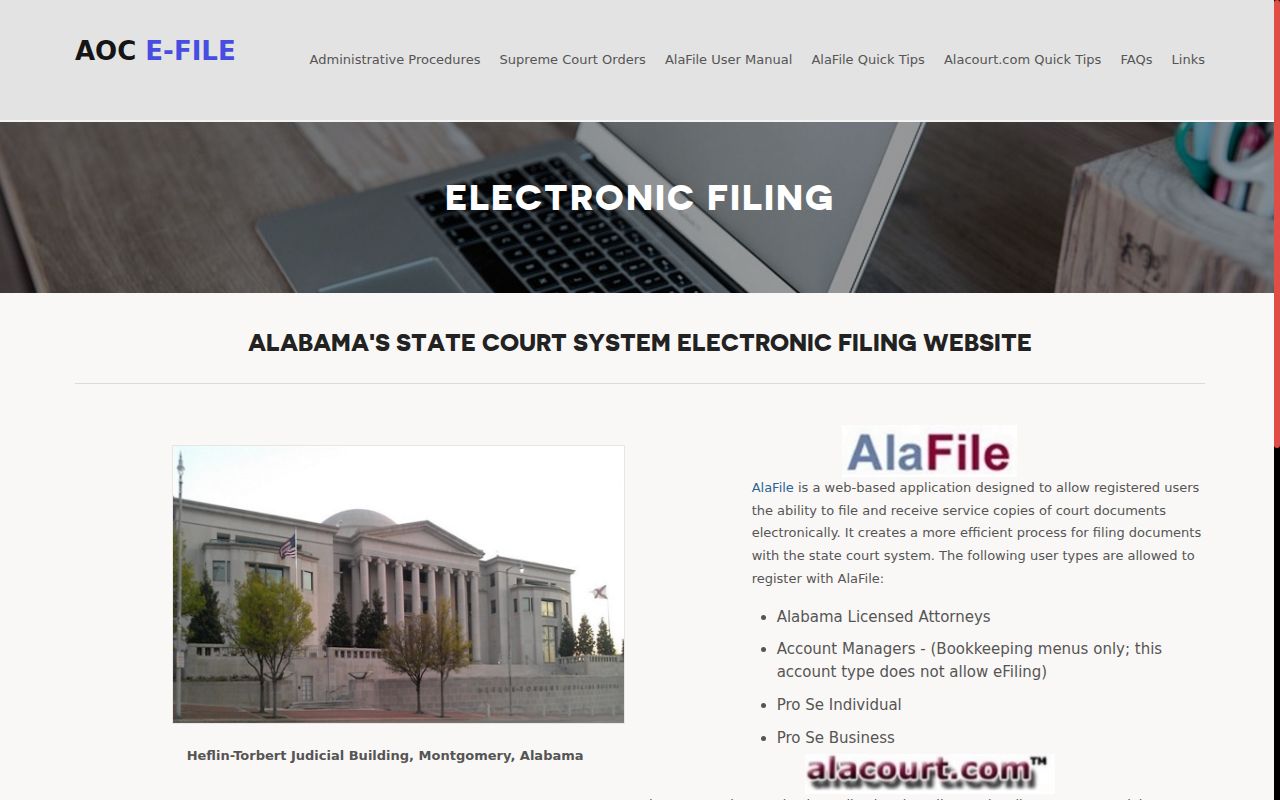
The names blur together, yet only AlaCourt and Just One Look exist for reading trial-court case details. A self-represented party who wants Dallas County AlaFile notices must register, print the form, and appear with state photo identification for activation.
| System | Main job | Public use |
|---|---|---|
| Just One Look | Paid case details by name or number | Case-by-case purchase |
| AlaCourt | Read-only trial-court details and images | Subscription access |
| AlaFile | Electronic filing and notice | Registered filer accounts |
| AlacourtPlus | Filing processing | Clerks and judges |
What a Court Docket Shows
A Dallas County docket or case-details screen is an index, not the whole file. Expect the court, case number, style, parties, judge, filing date, status, events, settings, disposition, and financial entries. A criminal docket may add charges and bond events. A civil docket may add the claim type, service, motions, judgment, and enforcement steps.
Read the header first, then work through the chronology. A motion entry records a request, not a ruling. A listed charge is not a conviction. A setting followed by a continuance is not the current date. When exact wording matters, pull the image or request the signed order. Expect the court, case number, style, parties, and filing date up front. The rest of the entries follow in order.
| Case number | The full Alabama UJS identifier and its court or case-type components. |
|---|---|
| Case style | The formal short name for the parties on opposite sides. |
| Events | Filed pleadings, service returns, motions, orders, settings, and outcomes in date order. |
| Setting | Date, time, type, judge, and location when those details are available. |
| Disposition | The recorded result for a claim, charge, or case. |
| Documents | Images available through the access tier, subject to privacy and court rules. |
Dallas County Docket Access Costs
Free courthouse inspection and paid electronic access live side by side. Alabama Rule of Judicial Administration 30 guarantees free inspection of open court files under clerk control. Rule 33 lets the Administrative Office of Courts manage electronic dissemination and its charges. Just One Look charges $9.99 for a name or case-number search that includes one case detail. Each later detail costs another $9.99. Images run $5 for the first 20 pages, then $0.50 for each added page.
Those electronic charges are not clerk copy fees. Dallas County's older fee chart lists plain copies at $0.25 per page through 20 pages. After that, copies are $0.50 per page. General certification adds $5. Confirm the live quote before ordering. A paid online image is still not a clerk-certified copy.
Two routes, two fee systems: inspect an open Dallas County court file without charge at the clerk's office, or pay for the convenience of remote electronic case details.
Which Courts Keep Dockets
The Alabama Unified Judicial System does not put every Dallas County record under one clerk. Circuit and District divisions share the Dallas County Circuit Clerk. The Probate Court keeps estates, guardianships, and conservatorships. Municipal courts hold city ordinance, misdemeanor, and traffic cases. Federal matters arising in Dallas County belong to the Southern District of Alabama, not the state clerk. The Alabama Judicial System site lays out the statewide court hierarchy. Its public homepage is the official starting point for appellate rules and court administration.
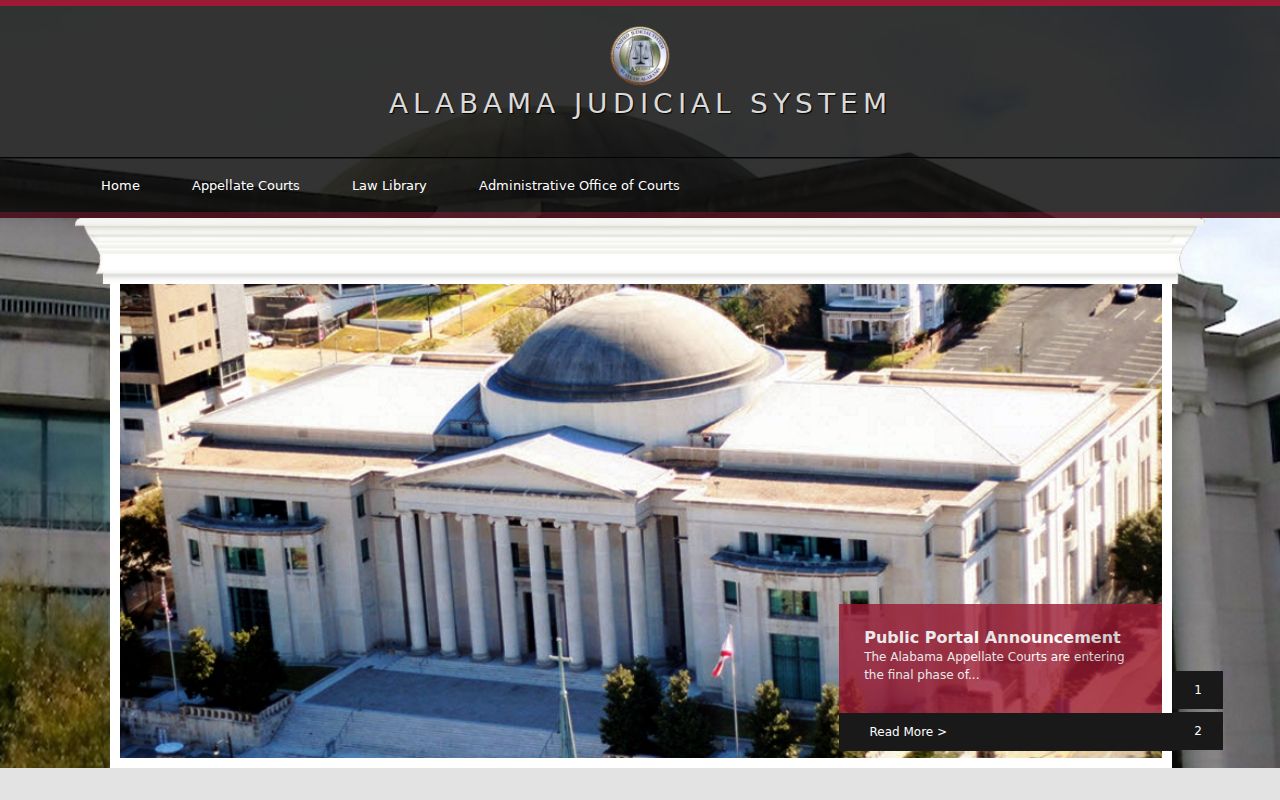
For Dallas County docket work, trial venue is the key distinction. If a lower-court judgment moved to Circuit Court for a new trial, search both the original and appeal numbers.
| Matter | First court | Record custodian |
|---|---|---|
| Felony, domestic, major civil | Dallas County Circuit Court | Dallas County Circuit Clerk |
| Misdemeanor, state traffic, small claims | Dallas County District Court | Dallas County Circuit Clerk |
| Estate or guardianship | Dallas County Probate Court | Dallas County Probate Judge |
| City ordinance or city traffic | Municipal court, when active | City court clerk or magistrate |
| Federal case | Southern District of Alabama | Federal clerk; PACER for public access |
Dallas County District Docket Volume
The FY2023 Alabama Administrative Office of Courts report puts the county's workload in perspective. Dallas County Circuit Court received 860 filings and disposed of 714. The mix was 37% criminal, 32% civil, and 31% domestic. The District Court was far busier. It received 7,325 filings and disposed of 5,281. Traffic accounted for 70% of District intake. Small claims, criminal, child support, other civil, and juvenile matters made up the rest.
That split explains why a vague request for the Dallas County court docket can land on the wrong desk. Most annual entries are not Circuit felony or major civil cases. The ticket, notice, or case code should point to the right division.
Finding Court Dates and Settings
Dallas County posts no standalone daily calendar you can check on your own. So build the date from the newest notice or order first. Next come the newest AlaCourt or Just One Look setting. Then check with the assigned judge or division. Finally, use the clerk's file or the posted courthouse docket. The judge owns the calendar; the clerk only records the setting. One phone call settles most doubts. Try the main clerk at 334-874-2523. A Circuit judge's office is at 334-874-2510 or 334-874-2507. The District judge is at 334-874-2529. Small Claims sits at 334-874-2524, and Juvenile Records at 334-874-2528. Ask if the date still stands. Ask what kind of hearing it is and where to report. The full Dallas County court calendar process also covers resets and missed settings.
- Docket call
- A status and readiness call for listed cases, not always the trial itself.
- Reset
- A setting moved to another date; a later notice or order controls.
- Motion hearing
- A setting focused on a filed request rather than the full merits.
- Disposition
- The recorded result, such as a judgment, plea, dismissal, or acquittal.
Dallas County Wednesday Closure
Plan around the clock. The Dallas County Circuit Clerk's counter serves the public on public business days. Hours run 8:00 a.m. to noon and 1:00 to 4:30 p.m. Every Wednesday, the office closes its doors all day. Visitors who miss that detail often waste a trip. The closure halts in-person inspection and copy requests alike. A Wednesday closure does not mean a Wednesday hearing was cancelled, though. Check with the court before assuming anything. The Dallas County Sheriff's courthouse information describes security for three courtrooms and service work across the county.
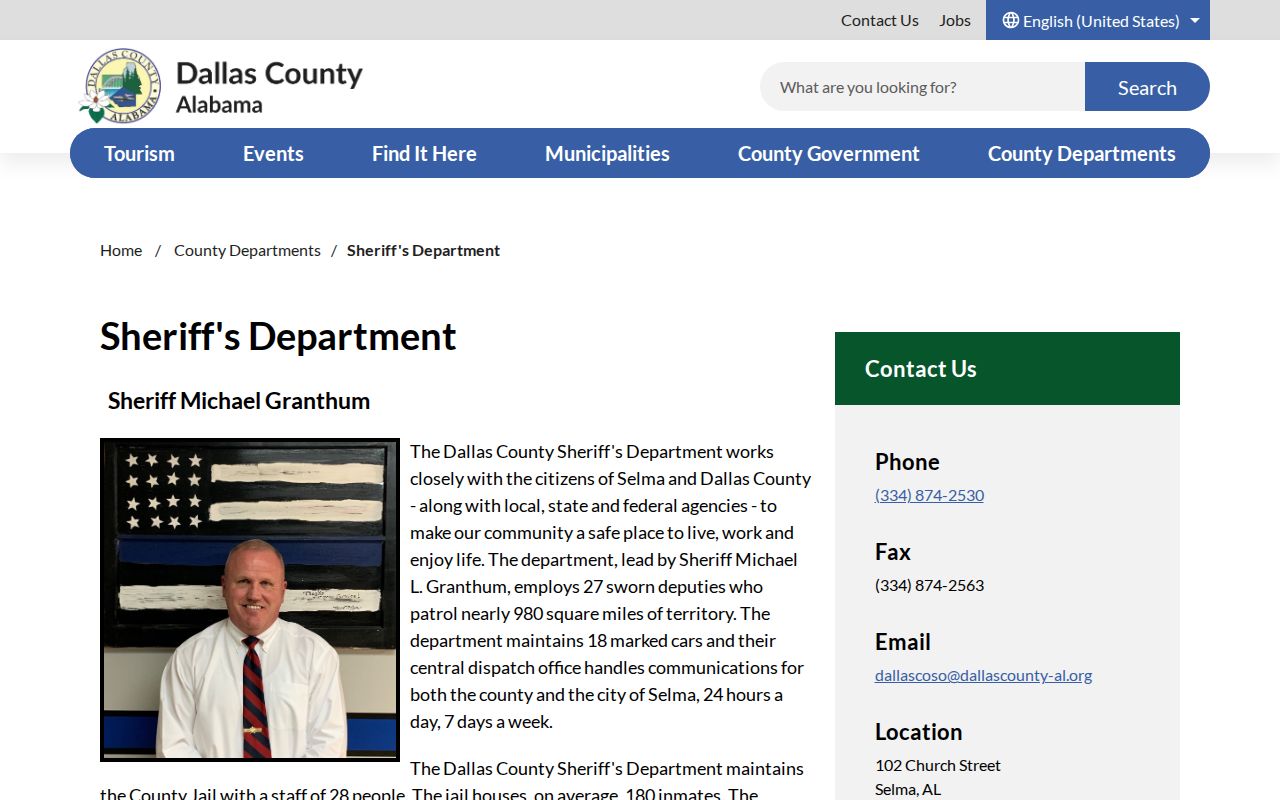
Call your assigned court before you drive over, above all after a closure or a reset. Jurors get instructions that demand punctual arrival, ban weapons and smoking, and send them to one designated courtroom. Electronics policy is unpublished here, so ask before hauling in recording gear.
Public Access to Dockets
Access runs through the official custodian. Anyone may inspect an open Dallas County Circuit or District file. State public-writing law sets a broad baseline for that access. Court rules then govern the details. Copy charges, electronic access, privacy, and file control all follow those rules. Expect remote access to run narrower than what you get at the courthouse.
Key rules:
Ala. Code § 36-12-40 recognizes inspection and copying of public writings except where other law provides otherwise.
Rule of Judicial Administration 30 keeps open court files available for free inspection while preserving clerk custody and restrictions.
Rule of Judicial Administration 33 governs AOC electronic court data and images through authorized programs.
Alabama's court-record privacy rules define protected information and remote-access limits effective in 2025.
Not every file comes out on request. Juvenile records stay off limits through a routine public ask. So do sealed matters, protected identifiers, adoption material, and some family content. When a known case is missing online, other explanations usually fit. It may sit in the wrong county. It might belong to a municipal court, await indexing, or live in an archive. Some cases travel under an appeal number. Check with the correct custodian before assuming anything is sealed.
Dallas County Historic Docket Files
Dallas County's courthouse history has one twist worth knowing. The clock tower of the 1902 courthouse fell into the main courtroom in 1957. The current courthouse opened in 1960, and an annex came along in 1979. Nowhere does the official history say any court records were lost in the collapse. So treat that as a story about brick and stone, not about missing Dallas County dockets.
Ask the Circuit Clerk directly about older files. The material may sit onsite, sit in an archive, or exist on microfilm. No Dallas-specific archival search price has been published. The same goes for a digital coverage start date. When the clerk confirms a transfer, a fallback exists. The Alabama Department of Archives and History then holds that court docket material.
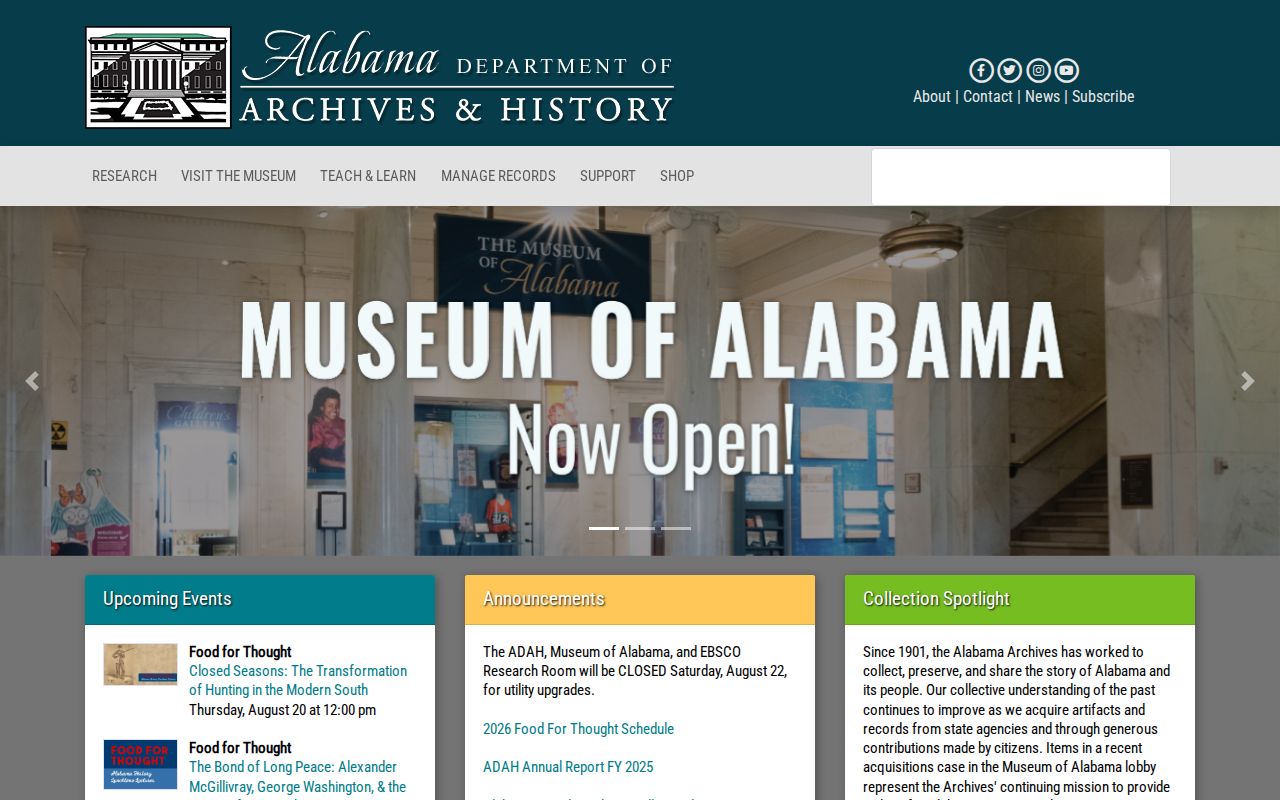
That archive interface can point you to state holdings. It still cannot replace the Dallas County Circuit Clerk's first check for a court file. Make any older-record request precise with a case number, style, year, court division, and the exact document name.
The Clerk and Docket Records
Circuit Clerk Lynnetha Bennett's office keeps the Circuit and District files for seven Dallas County courts. The work is broad. The office takes in pleadings and indexes each event. It issues process and notices, receives court-ordered money, preserves the file, and certifies copies. Judges decide the cases and control settings. Court reporters handle transcripts of spoken proceedings. Call or visit before mailing anything. Bring the court level, case number, party names, near filing year, the exact document, and whether you need a plain or certified copy. The clerk posts no record-request email, fax, drop-box, universal form, or turnaround promise. Ask for a quote in writing before any mailed request gets processed.
Dallas County Circuit Clerk
105 Lauderdale Street
Selma, AL 36701
P.O. Box 1148, Selma, AL 36702-1148
334-874-2523
8:00 a.m.–noon and 1:00–4:30 p.m.; closed to the public Wednesday
Dallas County Docket Copies
Three products get confused constantly. A docket line names the event, a filed image shows the paper, and a certified copy carries the court's attestation. Use the docket to find the event. Order the filed document when its wording matters. Pay for certification only when someone demands an attested copy, and get transcripts from the court reporter rather than the clerk's counter. Divorce decrees have a concrete published route in Dallas County. Mail the names, case number if known, decree date, copy count, a $10 money order, and a self-addressed stamped envelope to the Domestic Relations Division at the clerk's post-office box. Counter requests take cash or money order, and no completion time is promised.
| Record service | Published amount | Check before ordering |
|---|---|---|
| Certified divorce decree | $10 | Use the specific mail or counter instructions |
| Plain copy | $0.25/page through 20; $0.50 after | Older chart, confirm live quote |
| General certification | $5 | Confirm document and total |
| Archived search | Not published | Ask about location and any search charge |
Dallas County Federal Dockets
Dallas County sits in the Northern Division of the U.S. District Court for the Southern District of Alabama. Federal law names Selma as a place of holding court. Federal civil and criminal dockets run on CM/ECF, with public retrieval through PACER. Bankruptcy cases belong to the U.S. Bankruptcy Court for the Southern District of Alabama. Appeals climb to the Eleventh Circuit. Do not hunt for a federal case in AlaCourt. PACER registration and federal copy rules govern. Certified federal copies come only from the federal clerk. RECAP may hold contributed documents. It stays incomplete, though, and never serves as the official federal record.
Court Dockets by City in Dallas County
The 2020 Census inventory of incorporated places lists just three cities in Dallas County. They are Selma, Valley Grande, and Orrville. Selma runs a documented Municipal Court that handles city ordinance cases, misdemeanors, and traffic tickets. No official source shows a municipal court active in Valley Grande or Orrville. A ticket from either town needs care. Let the issuing agency and the court printed on the citation set your course.
The official Census incorporated-place inventory backs the three-city list. That list sits behind these Dallas County court docket pages.
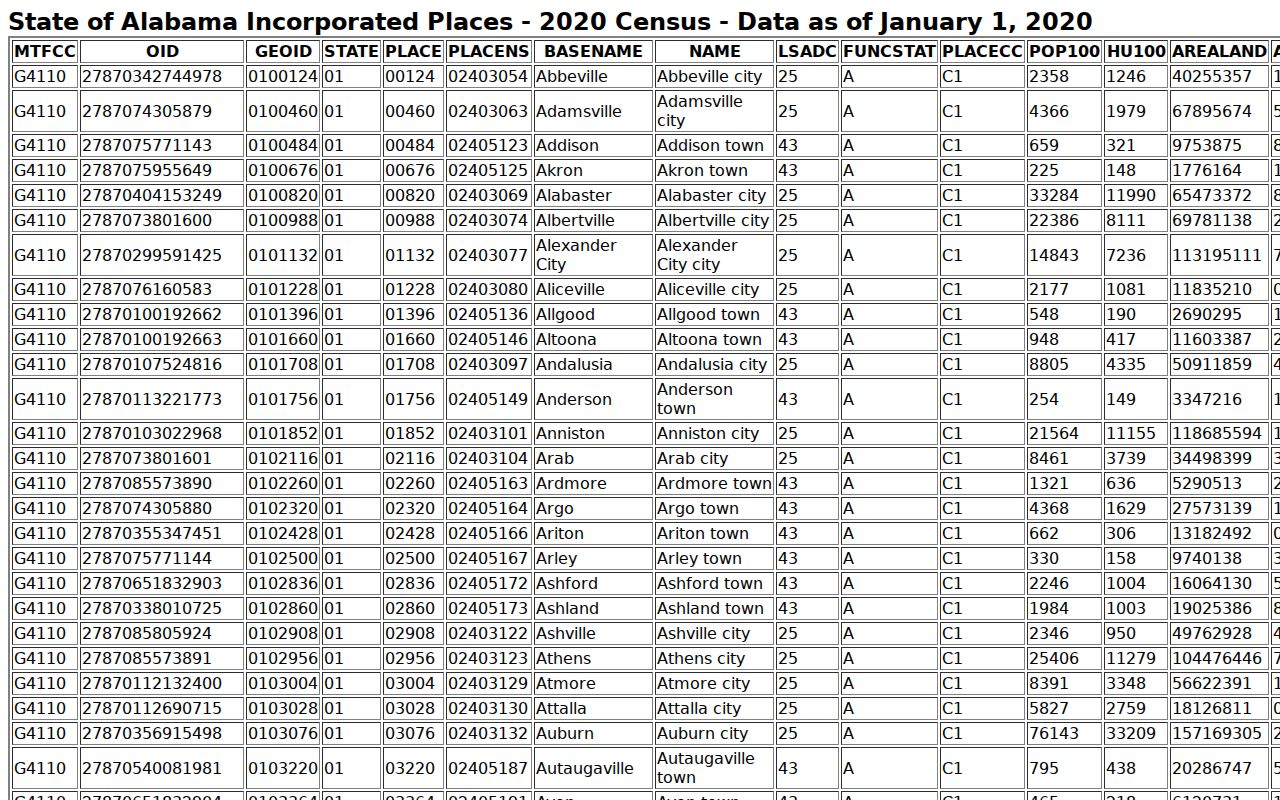
The Census inventory also keeps unincorporated spots from being confused with real city courts, which matters when you chase a Dallas County case number. Every card that follows points to the municipal record channel a reader can actually use.
Selma Court Docket
2020 population 17,971. Selma Municipal Court publishes its own court, cost, and schedule information.
Valley Grande Court Docket
2020 population 4,190. No active municipal court was found in the reviewed official city and AOC sources.
Orrville Court Docket
2020 population 150. Town Hall is the official first contact when a citation's court is unclear.
Map and Directions to the Dallas County Courthouse
Circuit and District Court files are kept by the Circuit Clerk at the Dallas County Courthouse, 105 Lauderdale Street in Selma. The present building opened in 1960 after the 1902 courthouse's clock tower collapsed into the main courtroom in 1957, and a 1979 annex followed. The Sheriff's office provides security for the courthouse's three active courtrooms.
Dallas County Courthouse
105 Lauderdale Street
Selma, AL 36701
334-874-2523
8:00 a.m.–noon and 1:00–4:30 p.m.; closed to the public Wednesday
Plan around the noon closure and the all-day Wednesday closure at the clerk's counter. Jury instructions warn against bringing weapons and prohibit smoking in the Main Courtroom. No published policy covers parking, cellphones, or accessibility, so ask the clerk or Sheriff's office before a visit that needs an accommodation.